


Motor test platform for water pump testing
Contact Info
- Add:, Zip: 061000
- Contact: 谢佳宁
- Tel:15350773479
- Email:3622313939@qq.com
Other Products


Flatness Measurement Solution for Industrial Equipment Motor Test Bases
In the field of industrial equipment manufacturing, the flatness of motor test bases is one of the key factors ensuring stable equipment performance and accurate test data. With the continuous improvement of industrial automation levels, the requirements for motor test bases are becoming increasingly stringent. This article delves into the importance, influencing factors, detection methods, and improvement measures of flatness in industrial equipment motor test bases, providing technical reference for relevant practitioners.
1. Importance of Motor Test Base Flatness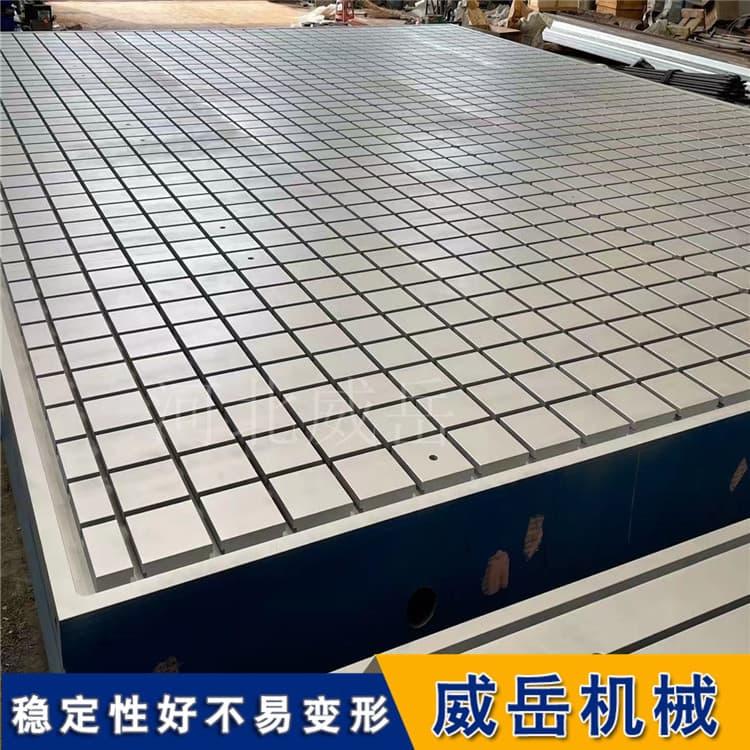
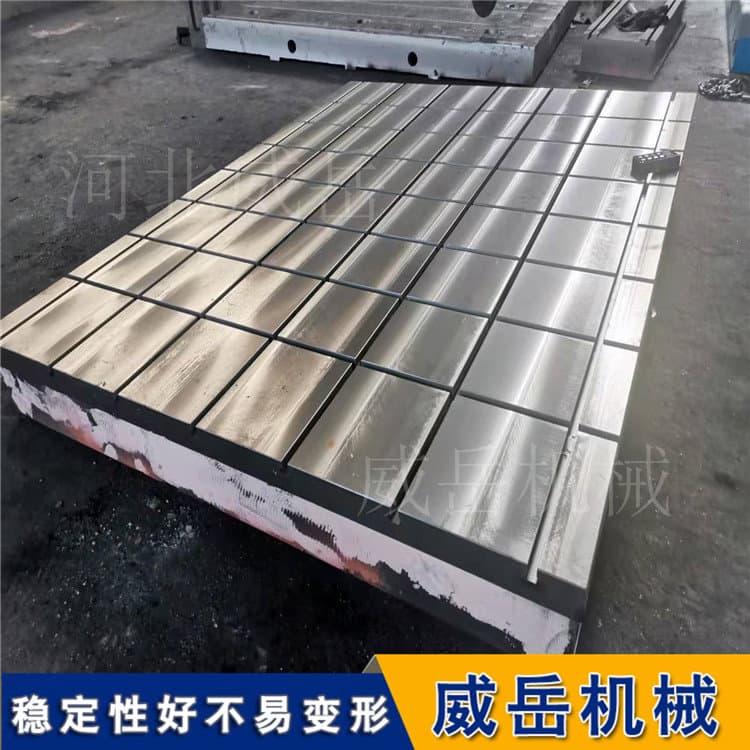
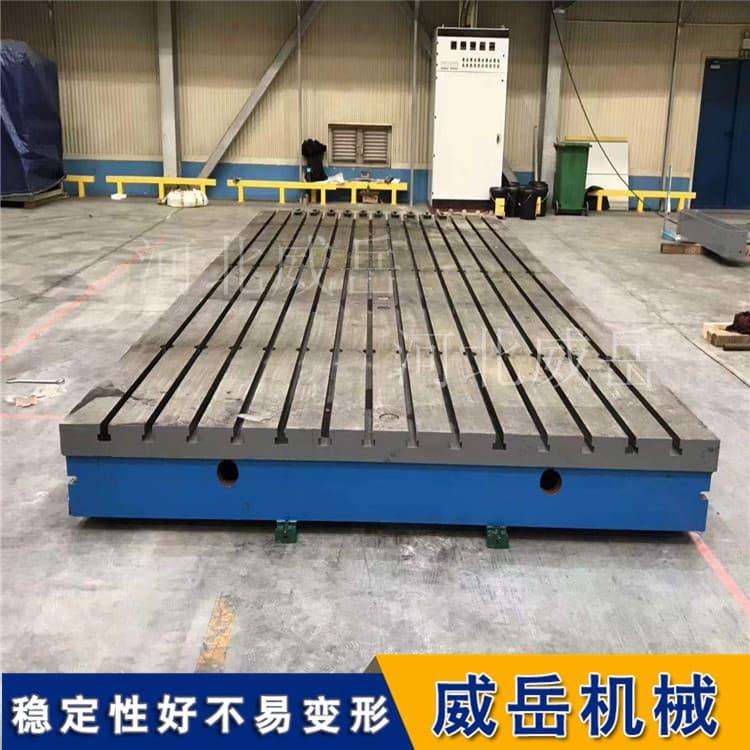
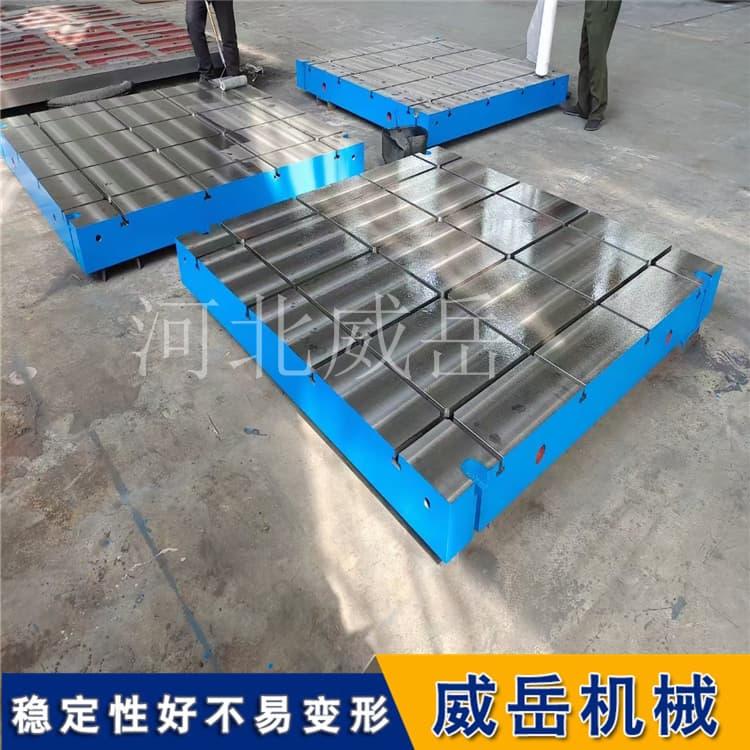
The flatness of the motor test base directly affects the installation accuracy and operational stability of the motor. When the base is uneven, it causes additional stress after motor installation, which in turn affects the motor's vibration, noise, and lifespan. In testing scenarios, even micron-level flatness deviations can lead to significant errors in test data. For example, test data from a well-known motor manufacturer shows that when the base flatness deviation exceeds 0.05mm/m, the fluctuation in motor efficiency test results can reach over 1.5%.
Additionally, an uneven base accelerates motor bearing wear and shortens the equipment's service life. According to industrial field statistics, approximately 23% of early motor failures are related to uneven installation bases. Therefore, during the selection and installation of motor testing equipment, base flatness must be strictly controlled as a critical indicator.
2. Main Factors Affecting Base Flatness
1. Material Selection: The stability and thermal expansion coefficient of the base material directly affect its ability to maintain flatness over long-term use. Cast iron materials, due to their excellent damping properties and thermal stability, are the preferred choice for test bases. While ordinary steel is cost-effective, it is prone to deformation in environments with significant temperature variations.
2. Machining Process: The machining precision of the base directly determines its initial flatness. Grinding processes can achieve flatness within 0.01mm/m, whereas ordinary milling processes typically only ensure a flatness of 0.1mm/m. Advanced machining processes, by optimizing cutting parameters and paths, can control flatness within 0.005mm/m.
3. Installation Environment: The stability of the foundation and environmental temperature changes both impact base flatness. Research shows that for every 10°C change in temperature, the flatness of an ordinary steel base may vary by 0.02–0.05mm/m. Therefore, high-precision testing environments often require temperature control systems.
4. Usage and Maintenance: Long-term load effects and improper maintenance can cause gradual deformation of the base. Regular inspection and maintenance are necessary measures to maintain base flatness.
In summary, the flatness of motor test bases, as a critical indicator of industrial equipment foundational performance, directly impacts product quality and production efficiency. Through scientific design, manufacturing, strict testing, and standardized maintenance, the base can maintain excellent performance over the long term, providing reliable foundational support for industrial production and testing. With continuous technological advancements, the control of motor test base flatness will become more intelligent, offering stronger support for industrial development.
Weiyue Machinery, Ms. Xie, 15350773479
| Industry Category | Machinery & Equipment/Compression & Separation Equipment/Liquefaction Equipment |
|---|---|
| Product Category | |
| Brand: | 河北威岳 |
| Spec: | 2000*4000 |
| Manufacturer: | 河北威岳机械 |
| Origin: | 111309 |


